
Merchant Knowledge Centre
Plain-English guides to the October 2026 payment reforms — and what they mean for your costs.

The surcharge ban is almost here: what actually changes on 1 October
From 1 October 2026 you can no longer surcharge eftpos, Mastercard or Visa payments. Here is a plain recap of what ends, what you can still charge, and the numbers behind the change.

CommBank cuts its flat merchant rate to 0.99%: what it means for you
From 1 October 2026, Commonwealth Bank is lowering its flat merchant service fee from 1.1% to 0.99%, timed with the surcharge ban. Here is what the change means and how to check where you stand.

Before 1 October: what to change at the till, on receipts and in your signage
The news tells you surcharging ends on 1 October — but not what you physically need to change. Here is a plain checklist of the till, receipt and signage updates to review before the date.
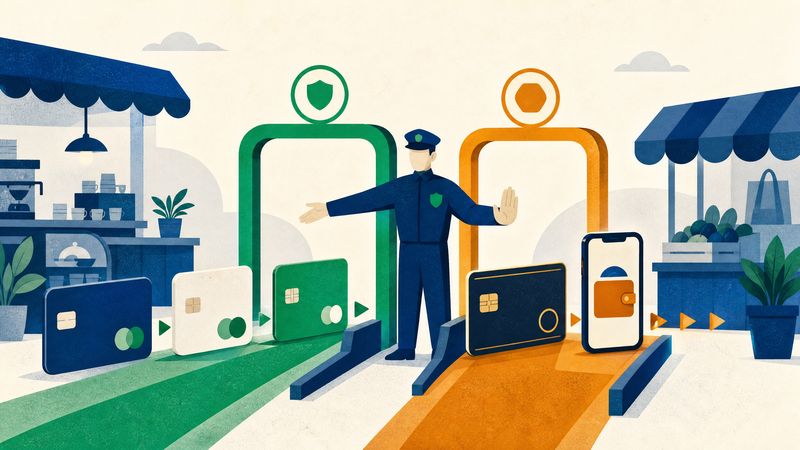
Costs are rising everywhere: the one payment line you can actually control
Insolvencies are at record levels and costs are climbing on every front. Most of those pressures are outside your control — but the cost of accepting cards is one line you can actually review.

Flat-rate vs interchange-plus: how the two pricing models compare
Almost every provider prices card acceptance one of two ways — a single flat rate, or interchange-plus. The October 2026 interchange cut changes how they stack up. Here is how each works, in plain English.

eftpos vs credit cards: why the way a customer pays changes your cost
Not all card taps cost the same. Debit routed through eftpos is usually the cheapest to accept; credit and premium cards cost more. Here is why — and how routing helps.

PCI compliance for small business: a plain-English guide
If you accept cards, PCI DSS applies to you. The good news: using a compliant provider does most of the heavy lifting. Here is what it means and what you actually need to do.

Chargebacks explained: what they are and how to reduce them
A chargeback reverses a card payment when a customer disputes it — and it can cost you the sale plus a fee. Here is how the process works and practical steps to reduce them.

How much does it cost to accept card payments in Australia?
There is no single "card fee" — what you pay depends on your pricing model, your card mix and your volume. Here is how to work out your own cost of accepting cards, and where to check current provider pricing.

Tap to Pay on iPhone and Android: taking card payments without a terminal
Tap to Pay turns a phone into a contactless card reader — no separate terminal, no hardware to buy. Here is how it works in Australia, which providers offer it, what it costs, and where it fits.
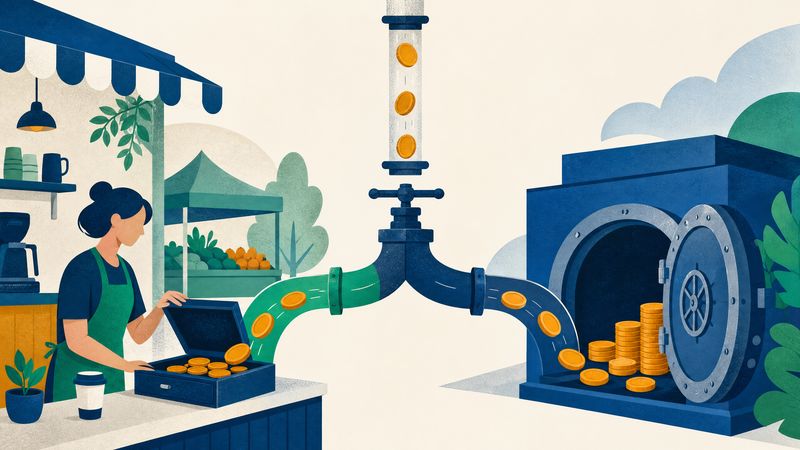
Least-cost routing (merchant choice routing): how to cut debit card costs
Least-cost routing (also called merchant choice routing) sends contactless debit taps down the cheaper network. After the October 2026 surcharge ban it becomes one of the few levers left to lower what you pay — here is how it works and how to switch it on.
Do you really know what you pay? How to read your merchant statement before October
Ask ten merchants their card acceptance rate and eight will quote the headline number from their signup letter — which is almost never what they actually pay. Merchant statements bury the truth in fee codes, blended tiers and GST lines. Before October's reforms, you need three numbers off that statement. Here's how to find them in fifteen minutes.